


A healthy puppy is defined by curiosity, responsiveness, coordinated movement, and confident social engagement. These examples of healthy puppy behaviors are the clearest window into your pup’s physical, neurological, and emotional development. Recognizing them early helps you tell the difference between normal growth and a genuine red flag. At Lakewoodranchdoodles, with over 20 years of raising service-quality temperaments in Goldendoodles, Bernadoodles, and Cockapoos, we see these markers every day. This guide gives you the specific, observable signs to watch for and the practical steps to encourage them.
1. What are the most common examples of healthy puppy behaviors?
Healthy puppy behavior, known in veterinary development circles as “species-typical behavior,” covers a range of observable actions that confirm your pup is developing on track. The most reliable signs include active curiosity toward new sounds and objects, smooth and coordinated movement, a strong appetite, and comfortable responses to gentle handling. A puppy who approaches new things with interest rather than fear is showing exactly what good early development looks like.
- Curiosity and alertness: A healthy puppy investigates new sounds, smells, and objects without freezing or retreating.
- Smooth movement: Walking, trotting, and turning without limping, stumbling, or stiffness confirms musculoskeletal health.
- Healthy appetite: Consistent eagerness to eat at scheduled mealtimes is a strong daily health indicator.
- Comfort with handling: A pup who accepts gentle touching of paws, ears, and mouth is building the trust needed for grooming and vet visits.
- Normal vocalizations: Short bursts of barking, whining, or playful growling during play are all normal. Prolonged, distressed crying is not.
- Age-appropriate sleep: An 8-week-old puppy sleeps 18–20 hours daily. That sleep directly supports brain development and immune function.
Pro Tip: Write down your puppy’s daily sleep, eating, and energy patterns for the first two weeks. Patterns matter far more than any single observation.
2. How healthy puppies play and interact socially
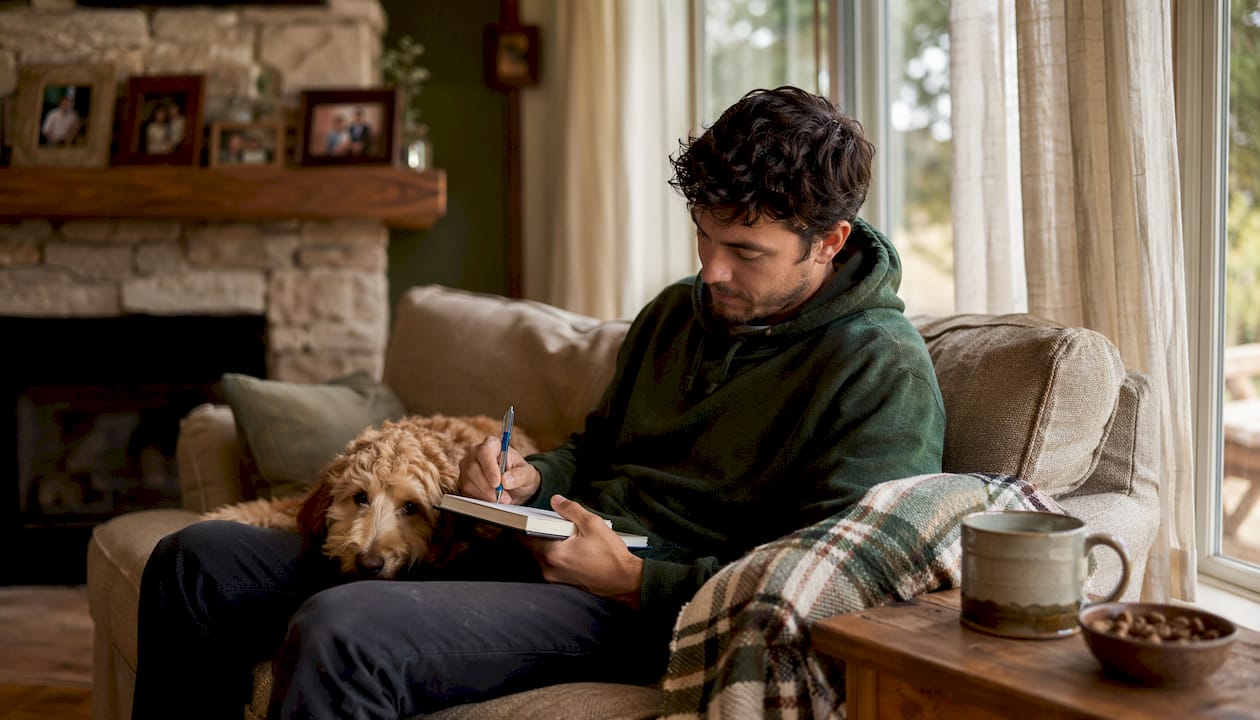
Social play is one of the clearest positive puppy behaviors you can observe. Puppies begin social interaction between 3 and 4 weeks of age, with gentle pawing and nipping among littermates developing by 4–5 weeks. These early interactions are not random. They are the foundation of bite inhibition, emotional regulation, and communication skills.
The most reliable marker of healthy puppy play is role reversal. The chaser becomes the chased. The pup who was pinned gets up and re-engages willingly. Natural pauses where both puppies choose to stop and restart confirm that play is mutual and self-regulated. Constant one-sided pinning or a puppy who hides and refuses to return is not healthy social play.
- Role reversals during chase and wrestling confirm both puppies are willing participants.
- Voluntary re-engagement after pauses shows emotional resilience and social confidence.
- Play nipping with soft mouth pressure is normal. Hard biting that causes yelping and withdrawal is not.
- Loose, wiggly body language during play indicates comfort. Stiff posture signals stress.
- Engagement with humans through gentle pawing, bringing toys, and following you around shows healthy bonding.
Pro Tip: Expose your puppy to calm, vaccinated adult dogs during the sensitive socialization window. One positive experience with a stable adult dog teaches more than weeks of solo play.
3. Physical signs that reflect healthy puppy habits
Physical condition and behavior are inseparable in a developing puppy. A pup with a shiny coat, clear eyes, clean ears, and a firm but not bloated belly is showing the physical side of healthy dog habits. These signs pair directly with behavioral ones. A puppy who looks well and acts well is developing on track.
- Coat and skin: A soft, clean coat without bald patches or excessive scratching signals good nutrition and no parasites.
- Eyes and ears: Clear, bright eyes and odor-free ears with no discharge are standard markers of health.
- Energy levels: Consistent energy during waking hours, followed by deep sleep, reflects normal developmental cycles.
- Bathroom habits: Puppies in early training will have accidents. Regular, formed stools and normal urination frequency confirm digestive health.
- Sleep quality: Deep, relaxed sleep without twitching, crying, or restlessness supports brain development.
Monthly body checks that cover skin, coat, ears, and movement can catch problems before they become serious. This habit takes two minutes and pays off significantly over time.
| Physical sign | What it tells you |
|---|---|
| Shiny, full coat | Good nutrition and no active skin parasites |
| Clear, bright eyes | No infection or nutritional deficiency |
| Firm, formed stools | Healthy digestion and appropriate diet |
| Coordinated movement | Normal musculoskeletal and neurological development |
| Deep, restful sleep | Brain consolidating learning and immune function |
Feeding frequency matters as much as food quality. Puppies need up to 4 small meals daily rather than one or two large ones. Smaller, more frequent meals support stable blood sugar and consistent energy throughout the day. For more on how food directly shapes development, the nutrition guide for puppy owners at Lakewoodranchdoodles covers this in detail.
4. Key training behaviors that show healthy learning
Early training milestones are reliable behavioral health markers. A puppy who responds to their name, follows simple cues like “sit” or “come,” and accepts the crate without prolonged distress is showing healthy neurological processing and emotional flexibility. These are not just obedience wins. They are signs of a well-adjusted mind.
- Name recognition by 8–10 weeks confirms auditory processing and the beginning of social bonding.
- Crate acceptance within the first two weeks shows the puppy can self-soothe and feel safe in a defined space.
- Sit and down responses to hand signals demonstrate early impulse control and focus.
- “Leave it” compliance is one of the clearest signs of developing self-regulation.
- Recall response in a low-distraction environment shows the puppy values proximity to you.
“Normal puppy development is non-linear. Behavioral regressions around 4, 6, and 8–10 months are common and expected. Owners who understand this stay consistent instead of frustrated, and consistent owners produce well-adjusted dogs.”
The adolescent phase, which begins around 5–6 months, is frequently mistaken for a training breakdown. It is not. It is a neurological and hormonal stage involving boundary testing. A puppy who suddenly ignores a cue they knew perfectly last week is not being defiant. They are developing. Staying calm and consistent during this phase is the single most important thing you can do. The puppy training resources at Lakewoodranchdoodles walk you through exactly this stage.
5. How to encourage and support healthy behaviors every day
Healthy behaviors do not happen by accident. They grow from predictable routines, positive reinforcement, and thoughtful exposure. The good news is that the daily habits that build a well-adjusted dog are simple and consistent, not complicated.
- Set a daily schedule: Feed, walk, train, and rest at the same times each day. Predictability reduces anxiety and speeds up learning.
- Use positive reinforcement: Reward the behavior you want immediately and consistently. Treats, praise, and play all work. The key is timing within 2 seconds of the behavior.
- Socialize gradually: Controlled, calm socialization during the sensitive period builds confidence without overwhelming the puppy. One new experience per day is enough.
- Redirect chewing and nipping: Give a legal chew toy the moment your puppy starts on furniture or hands. Redirection teaches faster than correction.
- Protect sleep: Do not cut nap time short for extra play. Sleep is when the brain processes learning and the immune system rebuilds.
- Watch for “zoomies” as a signal: Zoomies often indicate overstimulation or an overtired puppy who cannot self-regulate, not just excess energy. When zoomies appear, wind down the session rather than escalating it.
Pro Tip: The 3-3-3 rule is a useful framework: 3 days to decompress, 3 weeks to learn your routine, 3 months to feel at home. Adjust your expectations to match the stage your puppy is actually in.
For a deeper look at how early social exposure shapes lifelong temperament, the puppy socialization guide at Lakewoodranchdoodles is worth reading before your puppy comes home.
Key Takeaways
Healthy puppy development is confirmed by consistent behavioral patterns across sleep, play, appetite, movement, and social engagement, not by any single perfect moment.
| Point | Details |
|---|---|
| Sleep is a health marker | Puppies aged 8 weeks need 18–20 hours of sleep daily for brain and immune development. |
| Play quality over quantity | Role reversals and voluntary pauses confirm healthy social interaction during play. |
| Training regressions are normal | Behavioral setbacks at 4, 6, and 8–10 months are developmental, not failures. |
| Routine drives behavior | Consistent feeding, sleep, and training schedules reduce anxiety and speed up learning. |
| Physical and behavioral signs connect | Coat, eye clarity, movement, and appetite all reflect the same underlying health as behavior. |
What 20 years of watching puppies actually taught me
Most new owners focus on what their puppy does wrong. I have spent over two decades watching what healthy puppies do right, and the pattern is always the same: confident curiosity, easy recovery from small frights, and a genuine interest in people.
The behavior I watch most closely is recovery time. A healthy puppy startles at a loud noise and then bounces back within seconds. A puppy who stays frozen or hides for minutes after a minor surprise needs more careful socialization work. That recovery speed tells you more about temperament than almost anything else.
The other thing I see new owners miss is the adolescent phase. Around 5–6 months, a puppy who was doing everything right suddenly seems to forget their name. Owners panic. They think they did something wrong. They did not. That phase is neurological. The puppies who come through it best have owners who stayed calm, kept the routine, and did not abandon positive reinforcement out of frustration.
The behaviors covered in this article are not a checklist to complete once. They are patterns to observe over weeks and months. A puppy who eats well, sleeps deeply, plays fairly, and recovers quickly from surprises is a puppy who is thriving. Trust the pattern, not the bad day.
— Lakewood
Puppies raised with these habits start here
Lakewoodranchdoodles breeds Goldendoodles, Bernadoodles, and Cockapoos with service-quality temperaments and over 20 years of hands-on developmental work behind every litter. Every puppy leaves with a foundation of early socialization, handling exposure, and the healthy habits described in this article already in place.
If you are ready to bring home a puppy who is already on the right track, browse the available puppies at Lakewoodranchdoodles. Daily and virtual visits are available by appointment. Call 705 875 5195 or visit the site to see current litters and connect with a breeder who will support you from the first inquiry through your dog’s senior years.
FAQ
What are the clearest signs of a healthy puppy?
A healthy puppy shows curiosity toward new stimuli, smooth coordinated movement, a strong appetite, and comfortable responses to handling. Sleep of 18–20 hours daily in young puppies is also a key indicator of normal neurological development.
When do puppies start playing with each other?
Puppies begin social interaction between 3 and 4 weeks of age, with gentle pawing and nipping among littermates developing by 4–5 weeks. These early interactions build bite inhibition and emotional regulation.
Is it normal for a puppy to regress in training?
Yes. Behavioral regressions around 4, 6, and 8–10 months are a normal part of development. The adolescent phase starting at 5–6 months involves neurological and hormonal changes, not a loss of prior learning.
What do “zoomies” mean in a puppy?
Zoomies typically signal overstimulation or an overtired puppy who cannot self-regulate. When they appear frequently, winding down the session and protecting sleep time is more effective than adding more activity.
How often should a puppy eat each day?
Puppies need up to 4 small meals daily rather than one or two large ones. Smaller, more frequent meals support stable energy levels and healthy digestion during rapid growth stages.